
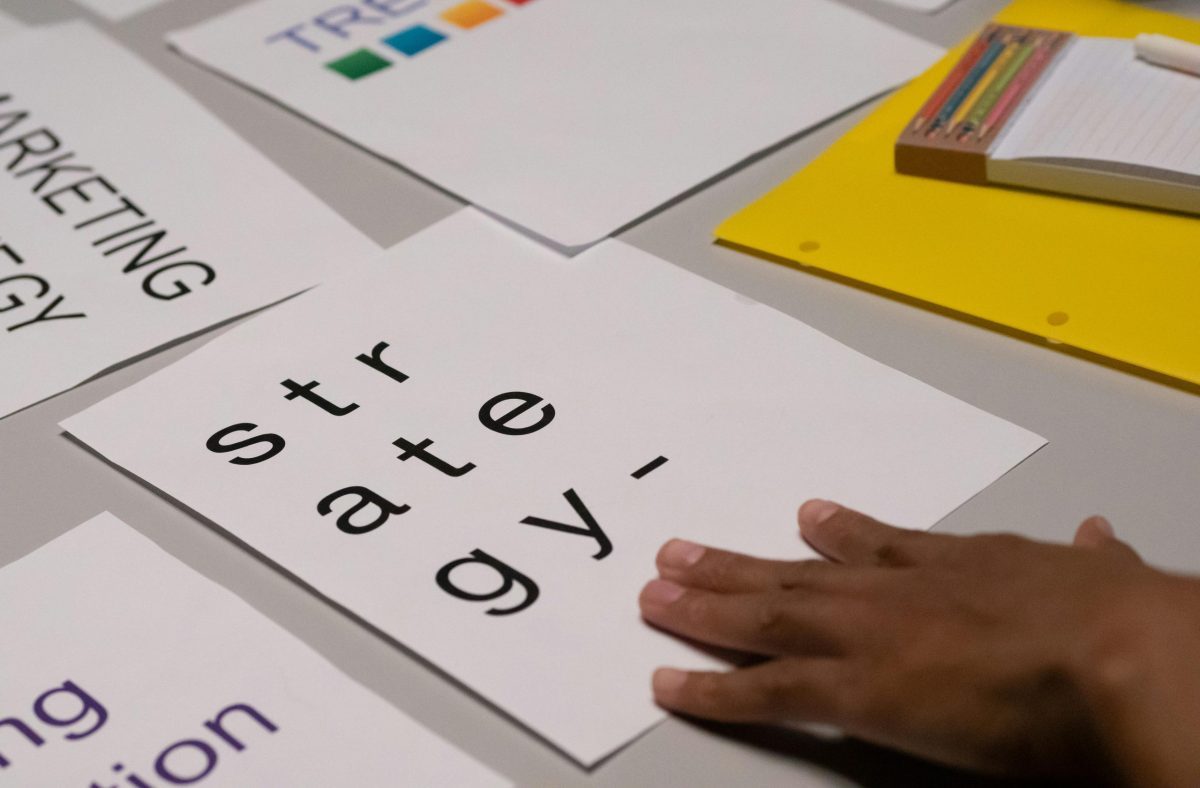
Small to medium enterprises in South Africa’s built environment can’t afford to treat digital strategy as an afterthought—especially if they want sustained business growth. The world has shifted online, with clients, developers, and even public-sector stakeholders doing their homework digitally long before the first phone call. It’s clear that a focused digital strategy is not a luxury—it’s a core part of how modern businesses compete and win. Let’s break down why. Better marketing Digital strategy is the foundation for effective digital marketing. Many SMEs approach marketing reactively: a website here, a LinkedIn post there, maybe a boosted post when work slows down. Without an overarching strategy, these efforts won’t deliver consistent results. Your digital strategy connects your marketing activity to real business goals—whether that’s winning more private-sector work, prequalifying for tenders, or positioning your firm as a specialist in a particular niche of the built environment. Return on effort Simply having social media profiles or a website isn’t enough. Without a plan that is tied to clear business goals you are wasting precious time and budget. In South Africa, the built environment is competitive and very price sensitive. Decision-makers are looking for suppliers who demonstrate competence, compliance, and reliability. SMEs can showcase their unique offering through thought leadership articles, project insights, certifications, and posting commentary on industry challenges such as infrastructure delivery, sustainability, transformation, and regulatory change. This kind of content builds trust before you ever sit across the table from a client. More bang for buck A strong digital strategy levels the playing field between SMEs and big business. You don’t need the biggest brand or the largest marketing budget to compete online. Strategic content, search visibility, and consistent messaging can position a smaller firm as knowledgeable and professional—sometimes more so than larger competitors. A defined strategy also helps you clarify your audience, choose the right channels, and set measurable targets so that every marketing move serves a purpose. Proof-driven marketing Digital marketing gives you the tools to measure, refine, and optimise your efforts. The insights that are available on social media and analytics platforms can help you understand what’s working and where opportunities lie. Instead of guessing, you can refine your approach based on evidence—critical in an industry where margins are tight. Customer engagement For the built environment specifically, digital strategy supports long sales cycles and relationship-based work. Regular content keeps your brand visible during quiet periods and reinforces credibility when opportunities arise. It also supports transformation and growth by helping you articulate your values, experience, and contribution to South Africa’s infrastructure landscape. Digital channels give SMEs a cost-effective way to build meaningful relationships through direct communication, tailored campaigns, and consistent content that resonates. In summary Firstly, marketing should not be considered an expense. It’s an investment in visibility, credibility and business growth. Secondly, a digital strategy isn’t about chasing trends. It’s about using marketing and digital marketing intentionally to support sustainable business growth. For SMEs in South Africa’s built environment, it’s one of the smartest investments you can make in long-term resilience and relevance. Whether you’re just starting or scaling up, digital strategy should be at the core of your growth playbook. You don’t need a massive budget—just a smart strategy and a willingness to adapt. PrevPreviousSpekboom camp (and a very hungry mouse)
Why blogging matters
Yes, Blogging Does Matter for SMEs in the Built Environment If you run a small to medium business in the built environment, whether that’s construction, architecture, or final finishes, blogging might feel like a “nice to have” rather than a “need to have”. Consider, however, that if you don’t tell people what you know, how will they know? Right? Blogging is not marketing fluff. It one of the most practical and cost-effective tools you can use to support your digital strategy and grow your brand with intention. By sharing relevant, expert content, businesses can improve search engine rankings and attract better leads. Building trust At its core, blogging is about visibility and trust. Your potential clients are already online, researching materials, timelines, suppliers and specification data. When your business consistently publishes thoughtful, relevant content, you are creating space for a conversation with your market and it’s not with a hard sell, but with answers. It’s in that space that your brand becomes a valued partner. Online gravitas As a key element with a digital strategy, blogging improves your search engine presence, gives you content to share across your social media platforms and can be repurposed into email newsletters for your existing clients. This type of content keeps your website fresh, and more interactive than a static brochure. Search engines like Google, reward fresh, useful content, and blogging is a great way to fulfil that goal. It keeps your site active and relevant, which compounds into more organic traffic and better-qualified leads. Using the right keywords in your blogs, adds to this value over time. Talking sense With a daily onslaught of sales messages, people are wary of being sold too. A business blog allows you to demonstrate expertise without being too salesy. With your blogs you can share technical knowledge, and best practice with existing and potential clients. When you write about changes in legislation, lessons learned on site, new technologies, or project insights, you showcase your industry knowledge, and trustworthiness. For SMEs, this levels the playing field in a diverse built environment. With blogging, you don’t need the biggest marketing budget to sound credible, just real knowledge and consistency. Building a brand Perhaps most importantly, blogging humanises your business. Many businesses are built on relationships, because people want to work with people they understand and trust. A conversational, well-written blog lets your voice, values, and way of thinking come through. It helps future clients feel like they already know you, even before that first meeting. For SMEs, it’s a smart, scalable way to strengthen your digital strategy, showcase expertise, and stay visible in a competitive market. Consistency beats perfection—start small, stay useful, and let your content do the talking without the need for a large marketing budget. Summary Blogging is a practical, cost-effective way for SMEs to: Boost visibility and build trust online. Answer client questions with relevant, expert content. Improve search engine rankings and attract better leads. Demonstrates expertise and keeps your website active. A single blog post can be repurposed for social media, client meetings or internal training. Humanise your business, helping clients connect with your values. Consistent, useful blogging strengthens your digital strategy and keeps you visible in a competitive market. Ready to elevate your business? Start blogging today to boost your visibility, build trust, and attract quality leads. Share your expertise, connect with your audience, and stay ahead in the competitive built environment. Consistent, valuable content is your key to digital growth—take the first step with a series of blogs, tailored to your business. NextSpekboom camp (and a very hungry mouse)Next

An ode to 2020 hindsight
Hindsight is a powerful thing. There are so many times I have wished I knew something earlier. I wish I had known a lot more about tiling when we did some renovations to our home a few years back. Tile panel movement joints It all comes down to movement joints really. A very small thing when you look at it, but without them, I now have cracked tiles between my original kitchen, and the new scullery we built on, linking the kitchen to the garage. Effectively these spaces are two buildings built right next to each other. With knowledge gained from working at TAL, a tile panel movement joint (think slightly wider grout line filled with polyurethane rather than grout) should have been installed between these two sections of tiling to isolate them and allow for movement. Instead, we tiled right over the intersection of the two buildings, hence cracked tiles. Who knew? Not me, and clearly not my tiler. Do the research You will forgive me if I now expound on the values of asking for professional advice, and for doing research before hiring someone to work on a project. Taking this personal experience of my own tiling problems, has driven me to ask the TAL technical team about everything I wish I had known when renovating, and adding them to the DIY Tips on the TAL website for others to avoid the same pitfalls. There is a wealth of knowledge available for the homeowner such as myself, or for the DIY enthusiast, as well as more technical information for the tiler, contractor, specifier or architect. From articles written by the TAL technical experts with their years of experience, advising on best practice for large flooring installations and construction projects, to practical advice on what to look for when hiring a contractor. Beyond tiling There are lots of places to look for information, on many websites, on just about any topic you need. The point is to take the leap and ask the questions. After all, you don’t always have to have all the answers. Sometimes, you just need to know who to ask or where to look. Here’s to hindsight and to finding the answers you need. Disclaimer PS the scaled down description of a movement joint is all in my own words, and no reflection of the very clever people who work at TAL. Find the full and proper explanation of tile panel movement joints and how to construct them on the TAL website, along with a lot of other really good, technically robust information.